Dr James Dyson
Anthroposophical Physician
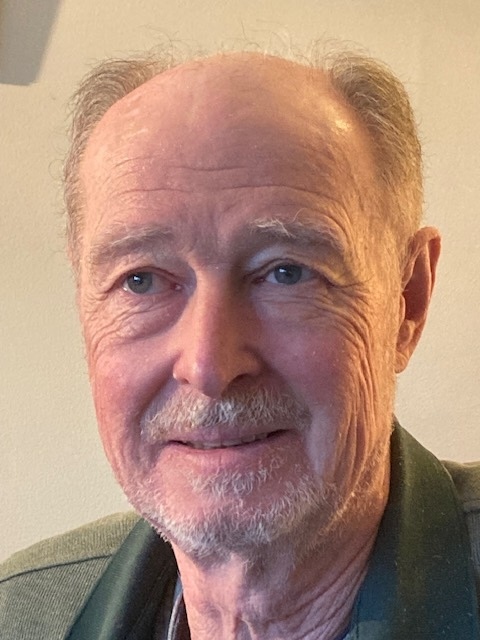
James Dyson trained at the Royal Free Hospital and qualified as a Medical Doctor in 1975. Following registration, homeopathic studies with Dr Marjorie Blackie and Dr Ralph Twentyman and intense anthroposophic studies, both in the UK and in German anthroposophical hospitals, he co-founded Park Attwood Clinic in 1979 with Dr Michael Evans.
This soon became an anthroposophic medical residential facility, registered for many years in mental health, general medicine and palliative care. He worked intensively there with a multidisciplinary therapeutic team for 25 years, treating both residential patients and out-patients. His work there focused on mistletoe treatment for cancer, which he pioneered in the UK with oncologists Dr H.B. von Laue and Dr Maurice Orange, and mental health and child development.
After leaving Park Atwood, James completed a five-year, intense training in Applied Psychosynthesis at the Institute of Psychosynthesis, London, later gaining a Master's degree in Psychosynthesis Psychology from Middlesex University (2013).
Spanning a period of thirty-five years, James also worked regularly as a medical consultant in several Steiner Waldorf Schools and, until recently, has also been a visiting advisor to a Camphill School for children with severe learning disabilities, a special needs further education college and a residential centre for profoundly disabled adults.
James retired from active medical practice in 2014, since when his work in adult education, spanning the disciplines of anthroposophic medicine, learning disabilities, psychosomatics and spiritual psychology, has intensified. He is currently a permanent Faculty Member in two accredited anthroposophical therapeutic trainings, one based at Emerson College, UK, and one in the USA.
He also contributes regularly as a guest contributor to other anthroposophic trainings both at Emerson College and in Europe, as well as to conferences at the Goetheanum, Switzerland (the international centre of the Anthroposophical Movement).
James hopes that his teaching will stimulate capacities for independent thinking and spiritual research, as well as for interdisciplinary collaboration.


